

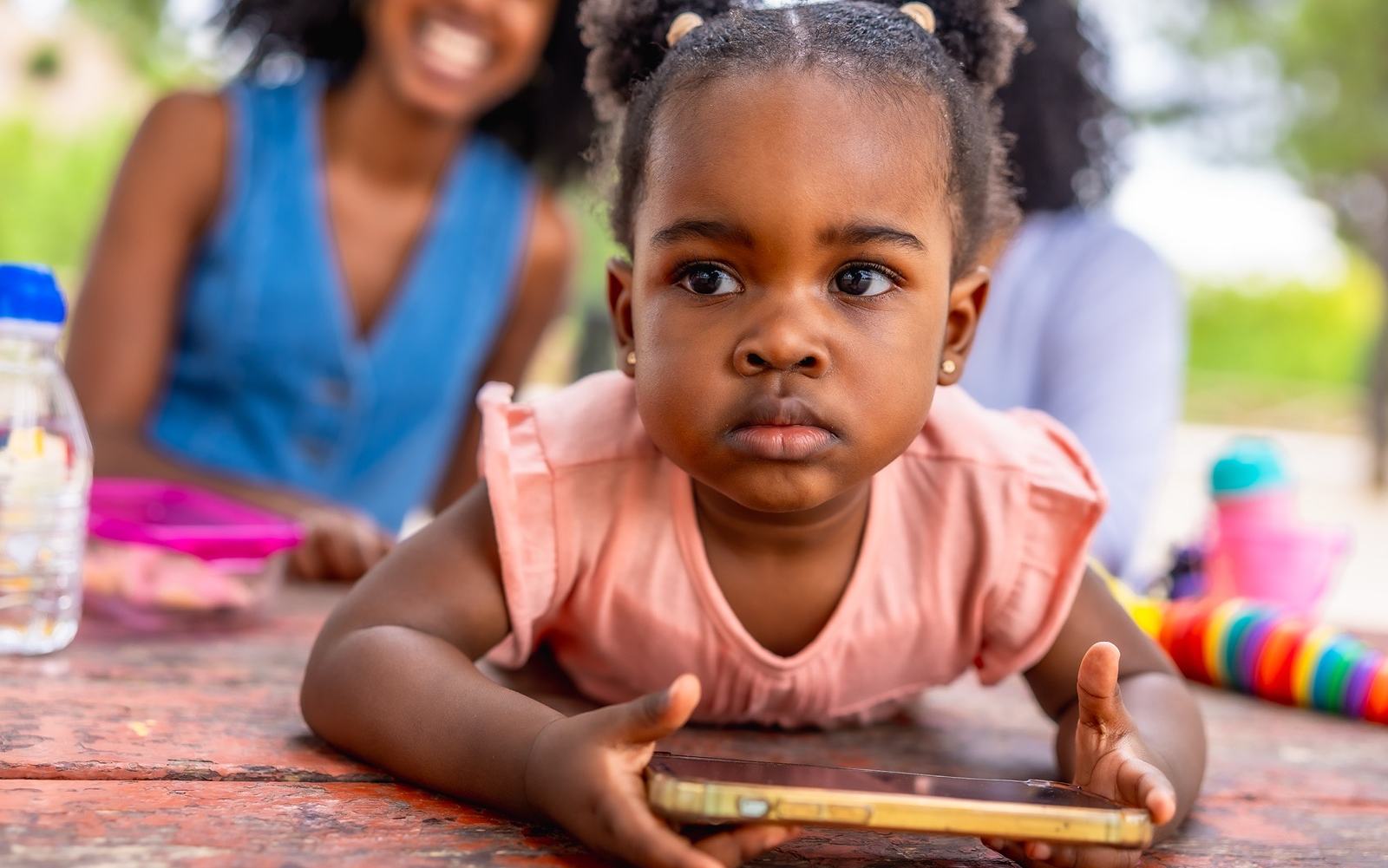
Tackling stunting in children under five
What it will take to reduce stunting, and why nutrition has to sit inside a wider early childhood plan.
Early childhood development systems · Uganda
We work with government, from national ministries to district councils, to build early childhood systems that reach every child from conception to age eight.
How a commitment becomes a service a child can use
National policy, then District plan and budget, then Community service, then Every child.
Most of a child’s brain is built before their fifth birthday. In Uganda, the services that shape those years (health, nutrition, early learning, protection and care) sit across four ministries and more than 130 districts.
When those services don’t connect, children fall through the gaps. Data is incomplete, budgets are thin, and nobody is accountable for the whole child. Early Years Count Uganda exists to join the system up.
Policy is written nationally, planned and budgeted in districts, and delivered in communities. We work at every level so that a commitment made in Kampala becomes a service a family can use.
We work alongside the Ministries of Gender, Labour and Social Development; Education and Sports; Health; and Local Government to shape, cost and fund the policies that decide what young children receive.
District councils turn national policy into services. We help district teams plan, budget and track early childhood work across health, education, community development and probation offices.
Services reach families through ECD centres, health facilities, parish structures and home visits. We test what works on the ground and feed it back to district and national decisions.
Everything we do is judged by one question: is a young child in Uganda better nourished, safer, healthier, better cared for and readier to learn? We pay particular attention to children the system reaches last: in rural districts, refugee-hosting districts and families living in poverty.
Four connected strategies, applied at national and district level.
Stronger national and local ECD policies, and the budgets and accountability to make them real.
Policy and advocacyData and research that tell decision-makers where children are being missed and what to do about it.
Evidence and learningTraining and mentoring for caregivers, educators, local leaders and the institutions that support them.
Technical know-howBringing government, civil society, researchers, funders and communities around one plan for young children.
PartnershipsThe Local Government ECD Scorecard, developed with the Ministry of Local Government, measures how districts plan, coordinate, fund and oversee services for children from conception to age eight. Its 2025 assessment covered four pilot districts.
26%of children under five in Uganda are stunted: about 1 in 4. Each footprint is 5% of children.
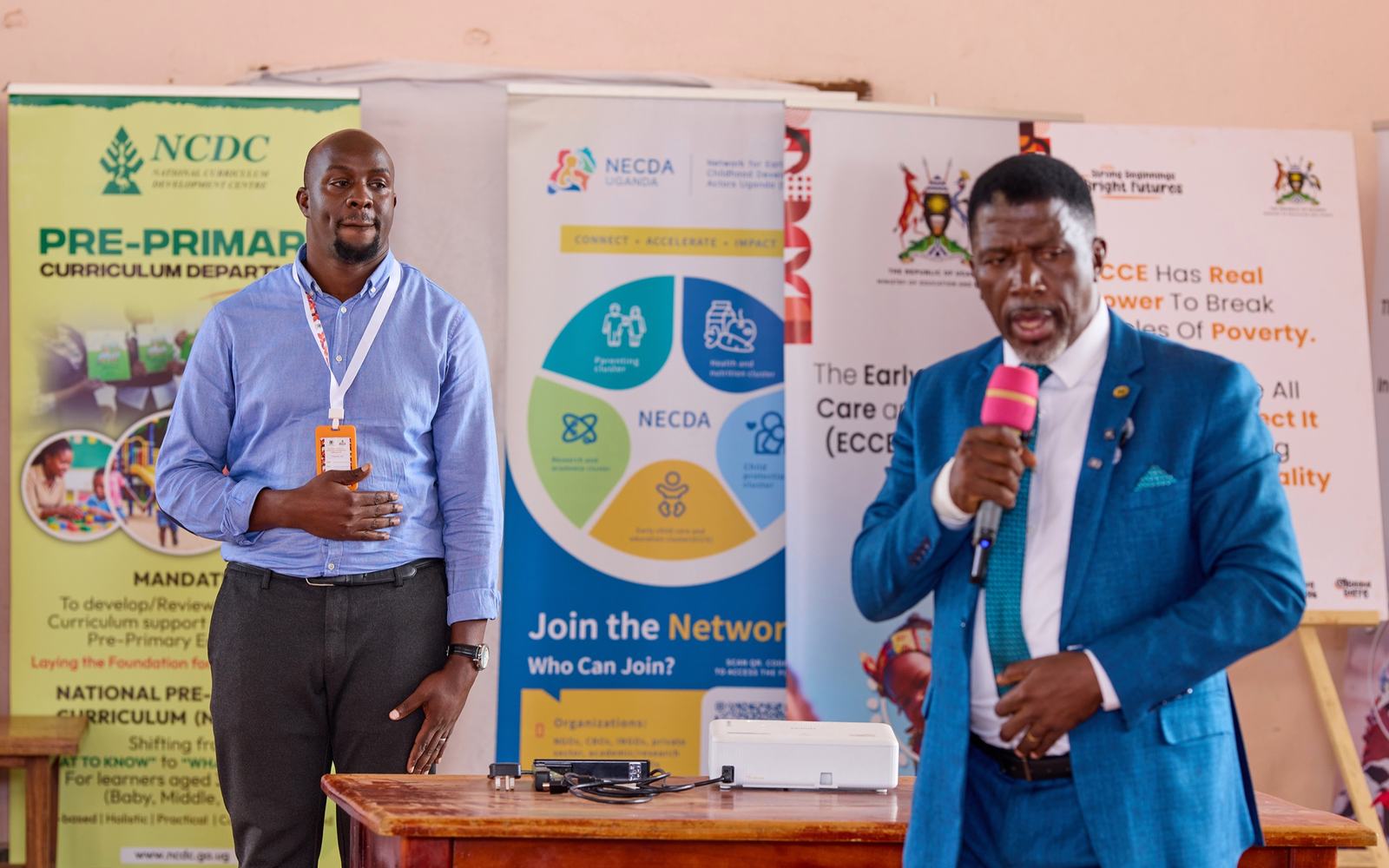
Actually, when we are out there, it’s even difficult to tell who is from the ministry and who is from EYC. It’s because of that kind of collaboration… that kind of initiative of working as one has actually made our operations much easier.
From interviews with government, donor and civil society partners.
What it will take to reduce stunting, and why nutrition has to sit inside a wider early childhood plan.
We don’t run a parallel system. We work inside the public one, with the ministries responsible for young children.
Our partners and fundersTen focus districts in all four regions, chosen with government: from refugee-hosting Terego and Nebbi in West Nile to the Lake Victoria islands of Namayingo and Mbale City. Nationally, we work with ministries in Kampala.